
Crypto Wallets Explained: Hot Wallets vs Cold Wallets and Keeping Your Coins Safe
If you own cryptocurrency, you will quickly meet the most important concept in crypto security: the wallet. A crypto wallet does not store coins the way a leather wallet stores cash. Your coins always live on the blockchain. What the wallet stores is your private key — the secret code that proves ownership and authorises spending. Whoever controls the keys controls the coins. Here is how wallet types differ and how to keep yours safe.
Hot wallets: connected and convenient. A hot wallet is any wallet connected to the internet: a phone app, a browser extension, or your account on an exchange. Hot wallets are fast and free, which makes them ideal for small amounts and everyday use. The trade-off is exposure: because they live online, they face more attack routes — phishing sites, malware and fake apps target hot wallet users constantly.
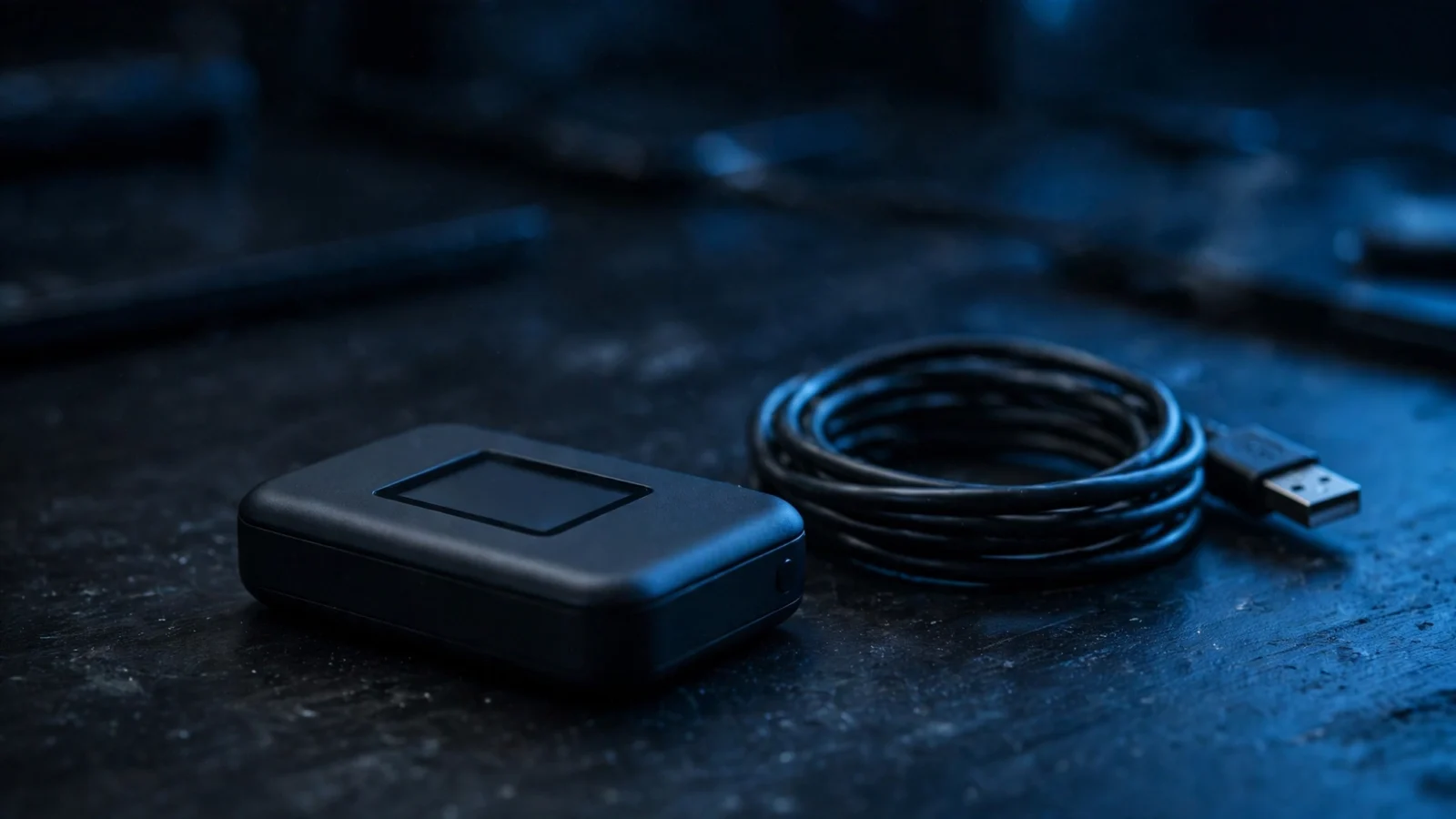
Cold wallets: offline and secure. A cold wallet keeps your private keys completely offline. The most popular form is a hardware wallet, a small USB-like device that signs transactions internally so the keys never touch your computer or the internet. Paper backups and dedicated offline devices serve a similar purpose. Cold storage is slower and costs money (hardware wallets typically run $50–$150), but for amounts you would be upset to lose, it is the standard recommendation.
The recovery phrase is everything. When you create a self-custody wallet, you receive a recovery phrase of 12 or 24 words. This phrase can restore your wallet on any device — which means anyone who finds it owns your coins. Write it on paper (or stamp it in metal), store it somewhere private and offline, and never type it into a website, photograph it, or save it in cloud notes. No legitimate company will ever ask for it. Every “support agent” who does is a thief.
Exchange accounts are a third option. Leaving coins on a large regulated exchange is convenient and the exchange manages security for you, but you are trusting the company: accounts can be frozen, and exchanges have failed before. Many holders use a hybrid approach — small working amounts on an exchange or hot wallet, long-term holdings in cold storage.
Five safety habits. One: enable two-factor authentication with an authenticator app, not SMS. Two: download wallet apps only from official sources and double-check the address. Three: test every new wallet or address with a tiny transfer first. Four: keep software updated. Five: tell a trusted person where your recovery phrase is stored, in case something happens to you — without it, your crypto is unrecoverable.
Choose by amount and activity. Small sums and frequent use: a reputable hot wallet is fine. Serious long-term savings: cold storage, a carefully guarded recovery phrase, and patience. In crypto, you are your own bank — and the wallet is your vault.